
How To Choose The Right Carriage Bolts For Your Project
May 21, 2026
Carriage bolts are ubiquitous fasteners widely applied in wood structures, steel structures, furniture manufacturing and outdoor engineering projects, yet their importance is often underestimated. Most purchasers only focus on whether the bolt size matches the installation requirements, while ignoring critical factors including material, strength grade, surface treatment and service environment. This common selection oversight usually leads to hidden problems: smooth installation in the initial stage, but loose connection, rusting, thread slipping and even structural failure after a period of use.
In engineering projects, a wrong bolt selection will not only cause additional rework costs, but also jeopardize the overall structural stability and operational safety. To help users make scientific and reasonable selections, this article systematically summarizes the core selection criteria for carriage bolts based on practical engineering application scenarios.
What Is a Carriage Bolt?
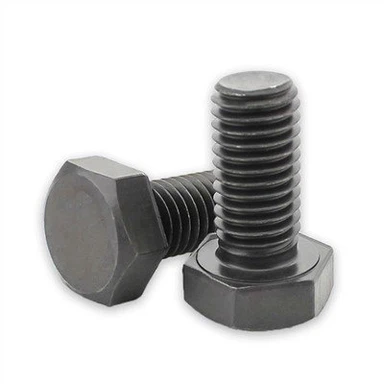
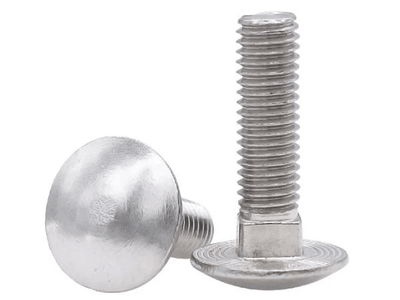
A carriage bolt is a specialized fastener featuring a round smooth head and a square neck. Different from standard hex bolts with exposed hexagonal heads, its unique structural design enables the square neck to embed firmly into the mounting material during installation, effectively preventing the bolt from rotating during tightening and fixing.
With a flat and neat surface after installation, carriage bolts are safer and more aesthetically pleasing, making them ideal for scenarios requiring smooth surfaces and anti-scratch performance. Their typical application scenarios include:
- Wood structure connection and fixation
- Custom furniture assembly
- Outdoor fences and guardrails
- Wooden platforms and outdoor terraces
- Mechanical equipment fixing
- Composite connection of wood and metal structures
Confirm Application Scenarios First
The performance requirements for carriage bolts vary drastically across different project scenarios. Most product failures stem from mismatched selection rather than poor product quality. Using ordinary galvanized bolts in coastal salt spray environments will cause rapid corrosion, while applying high-strength bolts to ordinary furniture projects will result in unnecessary cost waste. Therefore, clarifying the service environment and application demands is the primary step for bolt selection.
Key selection priorities for typical scenarios are sorted as follows:
- Wooden building structures: Prioritize tensile strength and anti-loosening performance
- Outdoor fence projects: Prioritize corrosion resistance and weather resistance
- Furniture manufacturing: Prioritize appearance finish and dimensional accuracy
- Heavy-duty mechanical equipment: Prioritize structural strength and load-bearing capacity
- Coastal and marine environments: Prioritize salt spray resistance and durable anti-corrosion performance
Select the Appropriate Bolt Material
The material of carriage bolts directly determines their corrosion resistance, mechanical strength and service life. The two mainstream materials in the market are stainless steel and carbon steel, with distinct performance characteristics and applicable scenarios:
Stainless Steel Carriage Bolts
Common specifications include 304 and 316 stainless steel. Featuring excellent rust resistance and stable appearance, these bolts have a long service life. Among them, 316 stainless steel boasts superior salt spray resistance, which is specially suitable for coastal, humid, marine and food-grade equipment environments. The only drawback is the relatively higher material cost.
Carbon Steel Carriage Bolts
Equipped with high mechanical strength and cost advantages, carbon steel carriage bolts are the most widely used fasteners in the industrial field, supporting large-scale batch procurement. Their anti-corrosion performance depends entirely on surface treatment processes such as electro-galvanizing, hot-dip galvanizing, black oxide coating and Dacromet coating. They are mainly used for ordinary construction projects, conventional mechanical equipment and common wood structure projects.
Scientific Size Selection (Not Limited to Diameter)
Most users only pay attention to bolt diameters (M6, M8, M10, etc.) during procurement, while ignoring the critical impact of bolt length on installation quality and structural stability.
Risks of Improper Length
- Insufficient length: Inadequate thread engagement leads to unstable connection and easy loosening
- Excessive length: Hinders installation operation, causes unsightly exposed threads and brings potential safety hazards
Standard Length Selection Rule
The optimal bolt length = thickness of connected materials + washer thickness + nut height + 2~3 exposed thread turns
In addition to basic dimensions, users also need to confirm standard specifications to match project demands: metric or imperial standard, coarse thread or fine thread, full thread or half thread, all of which directly affect the final installation and fixing effect.
Match Strength Grade with Load Requirements
The strength grade is the core factor determining the load-bearing capacity and structural safety of carriage bolts. Common mainstream grades and their applicable scenarios are as follows:
- Grade 4.8: Suitable for light-load scenarios such as ordinary furniture and outdoor fences, meeting conventional fixing demands
- Grade 8.8 and above: Recommended for building structures and heavy-duty mechanical equipment with high load-bearing and structural stability requirements
- Stainless steel A2-70 / A4-80: Preferred for high-humidity and high-corrosion environments; A4-80 grade with higher strength is suitable for scenarios requiring both corrosion resistance and high load capacity
For high-load and high-risk projects, it is necessary to confirm key mechanical parameters such as tensile strength, shear strength and fastening torque in advance to avoid bolt fracture and structural failure during long-term operation.
Surface Treatment Determines Service Life
Bolts with identical specifications may have a huge gap in service life, which is mainly determined by the surface treatment process. Reasonable surface treatment can effectively improve the anti-corrosion and anti-oxidation performance of bolts and adapt to different service environments:
- Electro-galvanizing: Low cost, suitable for indoor dry environments with low corrosion requirements
- Hot-dip galvanizing: Excellent anti-corrosion performance, ideal for long-term outdoor exposure scenarios in rain and humid weather
- Dacromet coating: Superior corrosion and weather resistance, applicable to harsh working conditions
- Black oxide coating: Mainly plays a basic anti-oxidation role, suitable for indoor mechanical matching scenarios
For projects exposed to rainwater, salt spray, high humidity and chemical corrosive environments for a long time, hot-dip galvanized or stainless steel carriage bolts are the most reliable choices.
Key Parameters to Verify Before Procurement
To ensure the bolts fully match project standards and quality requirements, the following parameters must be strictly confirmed before selection and procurement:
- Material composition and mechanical strength grade
- Surface treatment process and anti-corrosion grade
- Dimensional tolerance and thread standard (DIN / ANSI / ISO)
- Salt spray test indicators and weather resistance parameters
- Customization support (size, process, specification)
- Product packaging standards and quality inspection reports
Conclusion
As a small but essential structural fastener, carriage bolts are closely related to the connection stability, service life and overall safety of engineering projects. The optimal carriage bolt is not the lowest-cost option, but the one that perfectly matches the project's service environment, load-bearing demands and service cycle.
Every detail including material selection, strength grade and anti-corrosion process affects the final use effect. For outdoor and long-term service projects, precise and scientific bolt selection in advance can effectively avoid subsequent maintenance risks and cost losses, ensuring long-term stable operation of the structure.
If you are looking for reliable carriage bolt supply solutions, Jinrui provides full-specification, multi-material and customized fastener services. We help your projects achieve a perfect balance of high quality, structural stability and efficient delivery.