

Company Profile
Jiangsu Jinrui Metal Products Co., Ltd. was established in 2018 and is located in Haian High-tech Zone, Jiangsu. The factory covers an area of 30,000 square meters, with a total investment of over 100 million yuan, an annual output of 20,000 tons, and business contacts in more than 40 countries around the world and region. Its parent company, Shanghai Jinrui Standard Parts Co., Ltd., was established in 2001 and is located in Baoshan District, Shanghai. After more than 20 years of unremitting efforts, it has developed into a new layout with Jiangsu Haian as its production base and Shanghai Baoshan and Henan Nanyang as its sales centers.
Why choose us?
Quality products
The company has passed ISO9001:2008 quality system certification and ISO/TS16949 automotive quality management system certification. Our state of the art production unit ensures durable product with excellent finishing.Multiple tests and checks are done at every stage of production process to ensure the chemical, mechanical and dimensional accuracy of each and every fastener.
Fast delivery
We leverage the synergies of efficient processes, advanced technologies and state-of-the-art manufacturing units capable of functioning at high capacities to deliver your customized products ahead of stipulated time-lines. Employing the assistance of trusted logistical partners only helps us ensure that your industrial hardware needs are met on time, always.
Customer support
Backed by our team of experienced professional with a strong service intent, open communication channels and a customer- oriented approach we provide customized solutions to our clients at the earliest. Making customer satisfaction our utmost priority and an attitude to resolve our strongest tool only helps us further strengthen our associations and establish our reliability time and again.
Quality packaging
At Jiangsu Jinrui Metal, we understand that a high-quality deliverable is possible only when excellence is upheld at every stage of the process. We have a well-equipped Packaging Unit, where we pack our products in a manner which keeps the products highly safe. Thus the main importance is given to the safe delivery of the product so that the final product dispatched to the client is the same as the one as received by him.
-
![Machine Screws]() Add to Inquiry
Add to Inquiry -
![Wood Screws]() Add to Inquiry
Add to Inquiry -
![Stainless Steel Wood Screws]() Add to Inquiry
Add to Inquiry -
![Galvanized Wood Screws]() Add to Inquiry
Add to Inquiry -
![Countersunk Head Screw]() Add to Inquiry
Add to Inquiry -
![Pan Head Screw]() Add to Inquiry
Add to Inquiry -
![Self Tapping Screw]() Add to Inquiry
Add to Inquiry -
![Self Drilling Screw]() Add to Inquiry
Add to Inquiry -
![Chicago Screws]() Add to Inquiry
Add to Inquiry


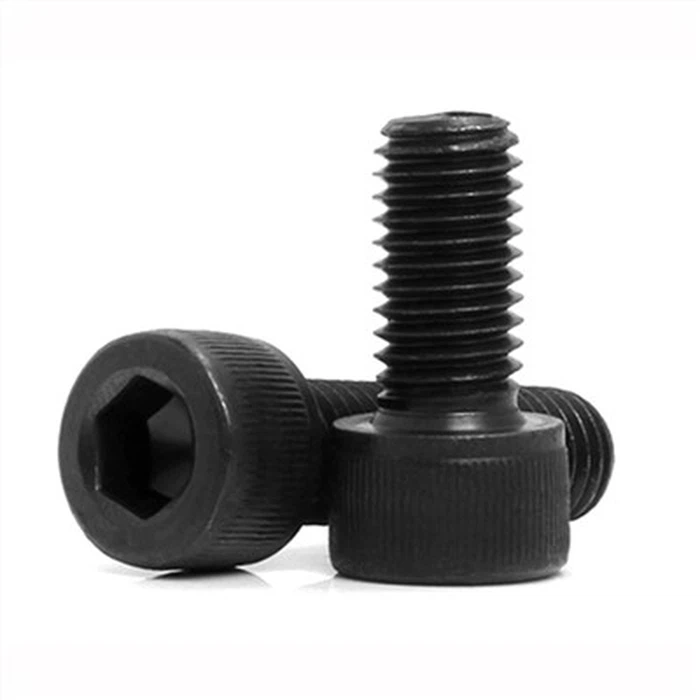
Screws are fasteners that are mainly used for holding or attaching two objects together. They consist of a cylindrical rod with a helical thread or groove wrapped around its exterior surface, known as the screw thread. Screws are usually used along with nuts which are threaded onto the screws to provide grip and hold the two objects tightly. They can be made of various materials depending on the application, including metals, plastics, and wood. Screws are widely used in a variety of industries ranging from construction, automotive, and manufacturing to electronics and entertainment.
Benefits of Screws
A mechanical edge
When you choose screws, you get a mechanical advantage in the process. Driving in a screw uses less energy when compared to hammering in a nail into the same material. So for those using hand tools, then the project instantaneously easier when screws are used. And the same goes for the use of power tools, which require less force and place less strain on the tool’s motor.
Extra strength & long-lasting hold
Screws are very strong and are built to last. This is a stark contrast to nails, which may come loose over time. This happens when the materials they connect with begin to expand and shrink over time. Screws are built to resist this problem. Their hold is longer-lasting and stronger. And since screws are so strong, there is less of a worry about the durability and hold. So it gives the material more of a piece of mind when done.
Rust resistant
Since screws offer a strong and tight bond with their adjoining material, this makes them less susceptible to rusting. The tight hold prevents moisture and contaminant from coming into contact with the screw’s shaft, thus preserving it for a long-lasting hold. So, even if the head of the screw begins to rust, the shaft will remain intact and hold due to this preservation. This advantage makes screws a much better choice than nails for a long-term hold.
Advantages of screwsmany different sizes & shapes
There are many different sizes and shapes for screws and they come with varying thread patterns. So you can get one specifically designed for use on wood, drywall, sheet metal, concrete, or more. When you use the proper screw type, it improves the long-term use of a screw.
Screws also utilize different types of heads, which makes them suitable for use with different types of tools. And thus, easier to complete a job, since you have more tools at your disposal to use.
Easy to remove
When it comes to removal, there is no fastener that is easier than screws. Of course, you can remove nails and staples. However, you likely need a special tool to get them out. With a screw, they back out of their slots with the same tool that drove them in. So you don’t need to go looking for a different tool and can save that time working.
Reuse screws
Due to the strength and longevity of screws, you can reuse them more when compared to nails. They seldom bend during the removal, so they can be reused for another application. You can also reinsert them into the same hole without sacrificing strength.
Wood screws
Designed to be used in wood, these screws have a tapered shank and regular threads.
Sheet metal screws
Designed to be used in thinner materials like sheet metal, these screws have a sharper threading and a flat or rounded head.
Machine screws
Used in machinery and electronics, these screws have a straight shank and a flat or rounded head.
Lag screws
Used for heavy-duty applications like construction and roofing, these screws have a hexagonal head and a coarse threading that can grip into wood and other materials.
Self-tapping screws
Used in materials like plastic and metal, these screws have a sharp point and threads that cut through the material as the screw is being inserted.
Set screws
These screws have no head and are used to secure one object onto another, often used in pulleys, flywheels, and other machine assemblies.
Thumb screws
These screws have a large head that can be easily turned by hand, often used in fixtures like cameras and lighting equipment.
Security screws
Designed to be tamper-resistant, these screws have unique heads that require special tools to remove.
Concrete screws
Designed for use in concrete and masonry, these screws have a specially designed head and threads that anchor into the material as the screw is inserted.
Typically, screws and bolts are made from steel due to its strength and relatively inexpensive cost. However, screws and fasteners can also be produced from stainless steel, brass, titanium, and a wide range of other metals depending on the intended application.


The applications for screws vary widely based on the type of screw. A few of the most common applications include:
Machine screws are used for connecting metals to other metals, and for a variety of electrical connection applications. These screws are designed for strength and high duty.
Screws for plastic may often be found in manufacturing facilities for consumer goods. Screws for plastic are designed to be used in many common products.
Sheet metal screws may be used to connect a wide variety of materials, such as metal/rubber and vinyl/rubber combinations.
Socket and shoulder screws typically see use in highly specialized applications. With a strict usage in the aerospace and consumer product industries, socket and shoulder screws are designed to meet significant strength requirements.
Process of Screws
Material selection
The first step in making screws is selecting the appropriate materials. Screws can be made from a variety of materials including steel, aluminum, brass, and plastic. The material chosen will depend on the desired properties of the screw such as strength, corrosion resistance, and durability.
Cutting the blank
Once the material has been chosen, a blank must be cut to the appropriate length and diameter for the screw being produced. This is typically done using a lathe or other cutting tool.
Thread cutting
The blank is then placed into a threading machine where the threads are cut into the screw using a rotating die. The die has grooves that match the desired thread pattern, creating the screw's unique thread geometry.
Heat treatment
After the threads have been cut, the screw may undergo a heat treatment process to increase its strength and durability. This involves heating the screw to a specific temperature and then cooling it in a controlled manner.
Surface treatment
Depending on the application, screws may undergo additional surface treatments to improve their properties. This could involve adding a protective coating to prevent corrosion or enhancing the screw's appearance.
Quality control
Once the screw has been manufactured, it must undergo rigorous quality control to ensure that it meets the required specifications. This may involve measuring the screw's dimensions, inspecting the threads for flaws, and testing the screw's strength under different loads.
Packaging and shipping
Finally, the completed screws are packaged and shipped to customers for use in a variety of applications. From building construction to furniture assembly, screws are a vital component in many industries.
Components of Screws
Head
The head is the top part of the screw that is used to rotate it, and it is usually flattened or shaped in a way that facilitates gripping it with a tool. There different types of heads like flat head, roundhead, pan head, and more.
01
Thread
The thread is a helical ridge that runs along the shank’s length and allows the screw to grip into the material it is being driven into. Horizontal threads on one side help the screw turn clockwise, while the threads on the other side allow it to turn counterclockwise.
02
Shank
The shank is the cylindrical section of the screw that extends from the head to the point. The shank's diameter determines how much weight it can support and how far it can be driven into the material.
03
Point
The point is the sharp end of the screw used to pierce through and grip into the material. The shape of the point varies depending on the material type and the screw's purpose.
04
Thread relief
The thread relief is the non-threaded section between the head and the thread, designed to provide sufficient clearance for the screw's head to fit flush with the material without splitting or damaging it.
05
Screws are a type of fastener that are used to hold two or more objects together. They are cylindrical in shape and have a spiral thread that winds around the length of the shaft. Screws work by turning the shaft of the screw into a material, such as wood or metal, causing the threads to grip onto the material and draw it in closer.
Screws are often used in applications where a strong, secure connection is required. They are commonly used in construction, woodworking, and metalworking. Screws come in a wide variety of sizes and shapes, each designed to fit specific applications.
The spiral thread on a screw is known as the 'pitch'. Screws with a steeper pitch have a more aggressive and stronger hold than those with a more gradual pitch. When the screw is turned clockwise, the threads push into the material being fastened and create a 'friendly' force. This force helps to hold the screw in place, preventing it from slipping or turning.
Screws require a threaded hole, also known as a 'threaded insert', in order to be inserted into the material. In most cases, the hole needs to be pre-drilled to the correct size and depth. The screw is then inserted into the hole and turned clockwise using a screwdriver, wrench or similar tool, until it is fully tightened.
One of the key benefits of screws is that they can be easily removed. This is because the threads grip onto the material in a way that allows them to be turned in the opposite direction, which is usually counterclockwise. This 'unfriendly' force allows the screw to be pulled out of the material it is fastened in, making it easy to replace or adjust.
In addition to their use as fasteners, screws are also used for other purposes, such as in machinery and equipment. They can be used to convert rotational motion into linear motion, or to attach components together in an assembly.
Screws are an essential component in many different applications, from construction to machinery. They work by gripping onto the material being fastened and drawing it in closer, which creates a strong and secure connection. Screws come in a variety of shapes and sizes, each designed to fit specific applications. Their ability to be easily removed also makes them ideal for situations where adjustments or replacements are needed.
How to maintain Screws?
Inspect them regularly
It's a good idea to inspect screws periodically to check for any signs of wear or damage. If a screw appears to be worn or damaged, it should be replaced immediately to ensure safety and proper function.
Store them properly
When not in use, screws should be stored in a dry place and away from moisture or extreme temperatures. This will help prevent rusting and other forms of damage.
Keep them clean
Over time, screws can accumulate dirt, dust, and debris, which may affect their performance. To prevent this from happening, you can clean screws regularly using a soft cloth or brush. This will help remove any particles that may have accumulated on the surface.
Lubricate them
Screws can rust or corrode due to exposure to moisture or other elements. To prevent this, you can apply a small amount of lubricant to the threads before installation. This will help reduce friction and protect the screw from rusting.
Tighten them properly
When installing screws, it's important to tighten them to the recommended torque specification. If screws are over-tightened, they may strip or break, which can cause problems down the line. Under-tightening may also cause the screw to loosen and become ineffective.
Certificate

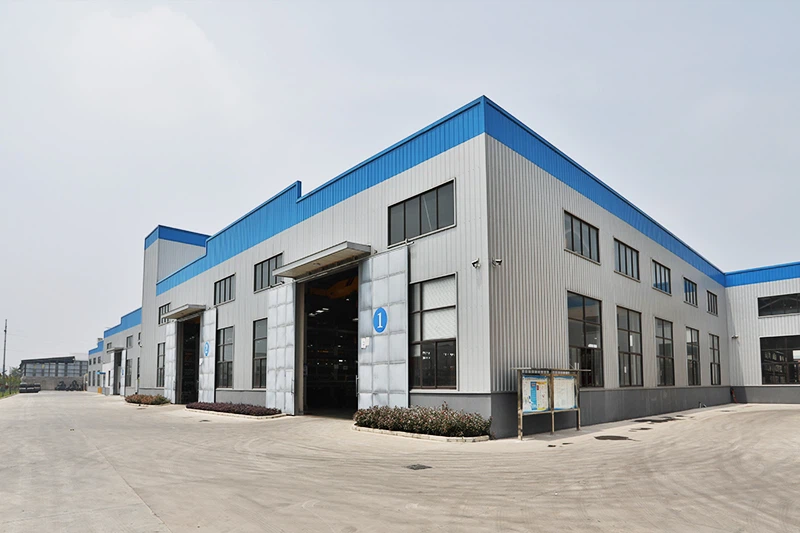
Jiangsu Jinrui Metal Products Co., Ltd. was established in 2018 and is located in Haian High-tech Zone, Jiangsu. The factory covers an area of 30,000 square meters, with a total investment of over 100 million yuan, an annual output of 20,000 tons, and business contacts in more than 40 countries around the world and region. Jiangsu Jinrui has advanced multifunctional cold heading equipment, thread machine, nut machine and large hot heading equipment.



FAQ
Q: What is called screw?
Q: What is a screw vs bolt vs?
Q: Why do we need screws?
Q: How does a screw work?
Q: Is a screw a fastener?
Q: Why are screws different?
Q: Can you hammer in a screw?
Q: Why are screws so strong?
Q: How is a screw made?
Q: How does a screw make work easier?
Q: What category is a screw?
Q: Does screw size matter?
Q: Is it OK to frame with screws?
Q: How are screws used in everyday life?
Q: What is a screw without a head called?
Q: What is the top of a screw called?
Q: What is the rule for screw size?
Q: Is a thicker screw stronger?
Q: Are screws magnetic?
Q: What screw do I need?
We're professional screws manufacturers and suppliers in China, specialized in providing high quality custom service. We warmly welcome you to wholesale high-grade screws at competitive price from our factory.
