

Company Profile
Jiangsu Jinrui Metal Products Co., Ltd. was established in 2018 and is located in Haian High-tech Zone, Jiangsu. The factory covers an area of 30,000 square meters, with a total investment of over 100 million yuan, an annual output of 20,000 tons, and business contacts in more than 40 countries around the world and region. Its parent company, Shanghai Jinrui Standard Parts Co., Ltd., was established in 2001 and is located in Baoshan District, Shanghai. After more than 20 years of unremitting efforts, it has developed into a new layout with Jiangsu Haian as its production base and Shanghai Baoshan and Henan Nanyang as its sales centers.
Why choose us?
Quality products
The company has passed ISO9001:2008 quality system certification and ISO/TS16949 automotive quality management system certification. Our state of the art production unit ensures durable product with excellent finishing.Multiple tests and checks are done at every stage of production process to ensure the chemical, mechanical and dimensional accuracy of each and every fastener.
Fast delivery
We leverage the synergies of efficient processes, advanced technologies and state-of-the-art manufacturing units capable of functioning at high capacities to deliver your customized products ahead of stipulated time-lines. Employing the assistance of trusted logistical partners only helps us ensure that your industrial hardware needs are met on time, always.
Customer support
Backed by our team of experienced professional with a strong service intent, open communication channels and a customer- oriented approach we provide customized solutions to our clients at the earliest. Making customer satisfaction our utmost priority and an attitude to resolve our strongest tool only helps us further strengthen our associations and establish our reliability time and again.
Quality packaging
At Jiangsu Jinrui Metal, we understand that a high-quality deliverable is possible only when excellence is upheld at every stage of the process. We have a well-equipped Packaging Unit, where we pack our products in a manner which keeps the products highly safe. Thus the main importance is given to the safe delivery of the product so that the final product dispatched to the client is the same as the one as received by him.
-
![Hex Nuts]() Add to Inquiry
Add to Inquiry -
![Nylon Lock Hex Nut]() Add to Inquiry
Add to Inquiry -
![Zinc Plated Hex Nut]() Add to Inquiry
Add to Inquiry -
![Grades 8 Hex Nuts]() Add to Inquiry
Add to Inquiry -
![Hex Flange Nuts]() Add to Inquiry
Add to Inquiry -
![Galvanized Flange Nut]() Add to Inquiry
Add to Inquiry -
![Grade 8 Flange Nut]() Add to Inquiry
Add to Inquiry


What is Nuts?
Nuts are important fastening components that are essential for various mechanical and engineering applications. These nuts are used with bolts and screws to create a secure and stable joint in different application areas.
Benefits of Nuts
Nuts are made using high-quality materials that provide exceptional strength and durability. We use premium-grade metals such as stainless steel, carbon steel, and alloy steel to ensure that our nuts can withstand extreme conditions and harsh environments. These materials are also resistant to corrosion, rust, and other forms of wear and tear, making our nut suitable for use in different application areas.
As mentioned earlier, Nuts are made using high-quality materials that provide exceptional strength and durability. These nuts are designed to withstand extreme conditions and harsh environments, making them suitable for use in various industrial applications. The strength and durability of our nut mean that customers can benefit from reduced maintenance costs and longer uptime for their machinery and equipment.
Nuts are designed to provide exceptional fastening performance, ensuring that bolts, screws, and other fasteners remain securely in place. The precision manufacturing of our nuts ensures that they fit snugly onto the fasteners, providing a stable and secure joint. This excellent fastening performance means that our nut can prevent machinery and equipment from malfunctioning or breaking down, ensuring smooth operations and increased productivity.
Nuts are versatile fasteners suitable for use in various application areas. These nuts can be used in automotive, construction, industrial, and other mechanical applications. The wide range of sizes and configurations available also means that our nut can fit onto different types of fasteners, providing merchants and customers with more flexibility and versatility in their operations.
Types of Hex Nuts
Standard hex nut
Also known as a hexagonal nut, this is the most commonly used type of nut that has six sides and a threaded hole in the center.
Flange nut
This nut has a built-in washer or flange on one side that prevents it from slipping or rotating during tightening.
Square nut
This nut has four sides and is commonly used in conjunction with a square bolt to prevent rotation.
Wing nut
This nut has two curved wings on either side that allow for easy hand tightening without the need for tools.
Castle nut
This nut has slots on one end that allows it to be secured with a cotter pin, preventing it from loosening.
Coupling nut
This nut has a longer length than a standard hex nut and is used to join two threaded rods or rods of different sizes.
Dome nut
Also known as acorn nut, this nut has a domed top that covers exposed threads and provides a more finished appearance.
Jam nut
This nut is thinner than a standard hex nut and is used as a secondary nut to lock or secure another nut in place.
T-nut
This nut has a pronged base that is inserted into a slot in wood or other materials to create a threaded connection.
Nylon insert lock nut
This type of nut has a nylon ring inserted into the threaded hole which acts as a locking mechanism to prevent the nut from loosening due to vibrations or other movements.
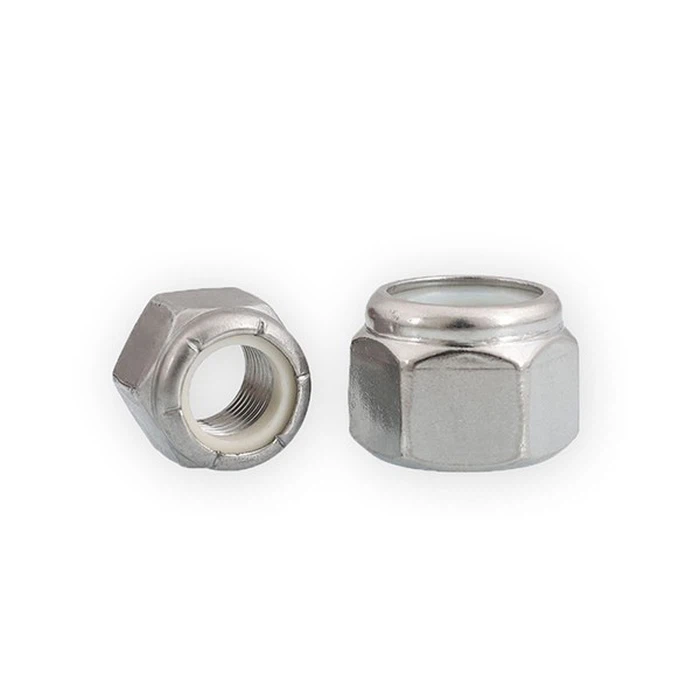
Steel is the most common material used for making nuts and bolts and fastener materials. Apart from this Alloy; Steel, Silicon, Bronze, Brass, Aluminum, Chrome, Titanium, Plastic and other exotic materials are also being used for manufacturing of this product.v
Application of Nuts
Construction
In construction, hex nuts are used along with bolts to create a strong and secure connection between two materials. These nuts are used in steel structures, bridges, and building foundations.
Automotive Industry
Hex nuts are prominently used in the automotive industry. They are used to secure various parts such as wheels, engine components, suspension, and exhaust systems, ensuring a safe and secure connection.
Plumbing
In plumbing, hex nuts are used to connect and secure pipes, valves, and fittings. These nuts prevent leaking and ensure a tight seal between the pipes.
Machinery
In machinery production, hex nuts are used to secure parts such as bearings, shafts, and gears while allowing easy disassembly for maintenance purposes.
Electrical Industry
Hex nuts are used to secure connectors and cables in the electrical industry. These nuts are used in junction boxes, panels, and switchboards.
Marine Industry
In marine applications, hex nuts are used to secure parts and fittings in boats, ships, and offshore rigs, where the connection needs to be reliable, and corrosion resistance is critical.
Process of Nuts
Raw material selection
Nuts are made from a variety of materials such as steel, brass, aluminum, or other alloys. The raw material is chosen depending on the application and the required strength of the nut.
Cutting
The raw material is cut into smaller pieces using a metal cutting machine, such as a bandsaw or a plasma cutter. This process is repeated until the pieces are the required size and shape.
Forming
The cut pieces are then put into a forming machine, which uses high pressure to shape them into hexagon shapes.
Threading
Once the hexagon shape is formed, the nuts are threaded using a threading machine. The machine uses dies to cut the threads onto the nut's interior surface.
Heat treatment
Heat treatment is a crucial step in the manufacturing process. This process involves heating the nut to a specific temperature and then cooling it down slowly. The heat treatment process helps to increase the nut's strength, durability, and resistance to corrosion.
Finishing
Once the nuts have been heat-treated, they are polished or coated to provide a smooth and attractive finish. This process may include plating, galvanizing, coloring, or other treatments to improve their appearance and protect them from corrosion.
Inspection
Before the nuts are packaged for sale, they undergo inspection to ensure that they are the right size, shape, and quality. The nuts are checked for defects such as cracks, chips, or inadequate threading.
Packaging
Finally, the nuts are packed in containers, usually bags or boxes, and shipped to distributors or customers.
Components of Nuts
Flats
Nuts have six flat surfaces known as flats or faces. The flats are crucial components because they provide the grip and torque necessary to tighten or loosen the nut. Wrenches or pliers are commonly used to grip the flats and turn the nut.
Surface coatings
The final component of the nut is the surface coating, which is designed to enhance its appearance, durability, and functionality. Coatings can be applied to protect the nut from corrosion, improve its grip, or provide additional lubrication.
Body
The body of the nut is the six-sided shape that gives the nut its distinctive appearance. It is usually cylindrical in shape but can also be hexagonal or flanged to enhance its grip and functionality.
Threads
The internal threads of the nut are the most crucial component. They are cut into the body of the nut, allowing it to screw onto a bolt or threaded stud. The threads can be coarse or fine, depending on the application, and are usually compatible with a specific size and pitch of the bolt or stud.
Chamfer
The chamfer is an angled edge at the top of the nut that facilitates the insertion of the nut onto the bolt or stud. It helps to guide the nut onto the thread more easily and smoothly, reducing the risk of cross-threading or damage to the threads.
How to maintain Nuts
Clean the nuts regularly
Nuts tend to accumulate dirt, grease, and rust over time, which can cause them to lose their grip and become loose. You should clean the nuts with a dry cloth or brush regularly to remove any debris that may have adhered to their surface.
01
Lubricate the nuts
Proper lubrication of nuts can significantly reduce the risk of wear and tear that can occur over time. Apply a layer of anti-seize compound to the threads of the nuts before installation to reduce friction and increase their resistance to corrosion.
02
Inspect for damage
Periodically inspect the nuts for any signs of damage, such as cracks, breaks, or deformations. Such defects can impair the nuts' strength and lead to failure, causing damage or injury.
03
Tighten the nuts correctly
Over-tightening the nuts can weaken the threads, leading to failure or damage to the nuts or studs. Therefore, it is essential to use specialized tools to tighten the nuts to the manufacturer's recommended torque levels.
04
Store the nuts properly
Nuts should be stored in a dry environment, away from moisture, dust, and direct sunlight. Proper storage can prevent corrosion and ensure the nuts' longevity.
05
Nuts are commonly used in construction and manufacturing industries. They are designed to fasten bolts and screws to ensure that they remain secure and in place.
The way that nuts work is relatively simple. A nut is threaded internally, which means that its sides are lined with grooves that allow it to screw onto a bolt or screw. When the nut is turned clockwise, it applies force to the bolt or screw, causing it to tighten and secure in place. On the other hand, turning the nut counter-clockwise loosens the bolt or screw, allowing it to be removed.
One of the advantages of nuts is that they come in a variety of sizes and thread pitches, making them versatile and adaptable to different bolt and screw sizes. They are also made from materials such as stainless steel, brass, and nylon, which make them resistant to corrosion, rust, and other environmental factors.
Another advantage of nuts is that they can be tightened using common hand tools such as pliers and wrenches. In addition, some nuts come with a nylon insert, which helps to prevent the nut from loosening due to vibration or impact.
Nuts are a vital component in many industrial applications. They are easy to use, versatile, and reliable, making them a standard choice for securing bolts and screws.
Certificate

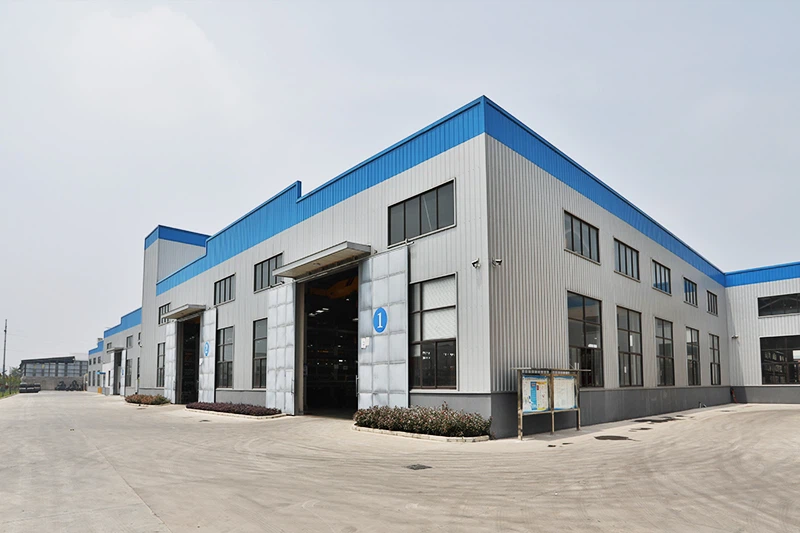
Jiangsu Jinrui Metal Products Co., Ltd. was established in 2018 and is located in Haian High-tech Zone, Jiangsu. The factory covers an area of 30,000 square meters, with a total investment of over 100 million yuan, an annual output of 20,000 tons, and business contacts in more than 40 countries around the world and region. Jiangsu Jinrui has advanced multifunctional cold heading equipment, thread machine, nut machine and large hot heading equipment.



FAQ
Q: What is hex nut used for?
Q: What is the difference between a hex nut and a nut?
Q: What is a standard nut size?
Q: What is standard bolts and nuts?
Q: What is a standard bolt?
Q: How do you know if a bolt is standard?
Q: Are bolts always used with nuts?
Q: Are bolts the same as nuts?
Q: Are nuts stronger than bolts?
Q: How do you identify nuts and bolts?
Q: Which is bigger nut or bolt?
Q: Should the nut be the same size as the bolt?
Q: What is the difference between a nut and a bolt?
Q: Which is stronger bolt or nut?
Q: Can you put 2 nuts on a bolt?
Q: Why tighten the nut instead of the bolt?
Q: What goes between a nut and bolt?
Q: Can you put a nut on a screw?
Q: Can you over tighten a nut?
Q: How do I know if my lug nuts are tight enough?
We're professional nuts manufacturers and suppliers in China, specialized in providing high quality custom service. We warmly welcome you to wholesale high-grade nuts at competitive price from our factory.
