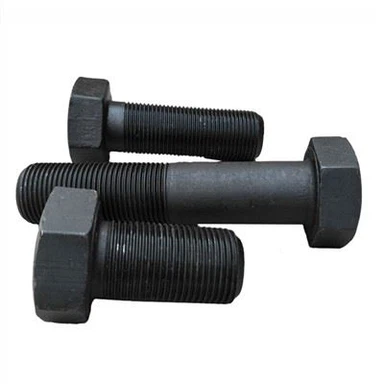

High Temperature Bolt Performance Of Fasteners
Oct 23, 2024
High temperature bolts for fasteners include refractory and heat-resistant materials, as well as inorganic compounds and polymer materials. In order to facilitate the use of high-temperature bolts for fasteners, Xiaorui has explained the changes in the use process of high-temperature bolts for fasteners and their impact on the service life of high-temperature bolts.
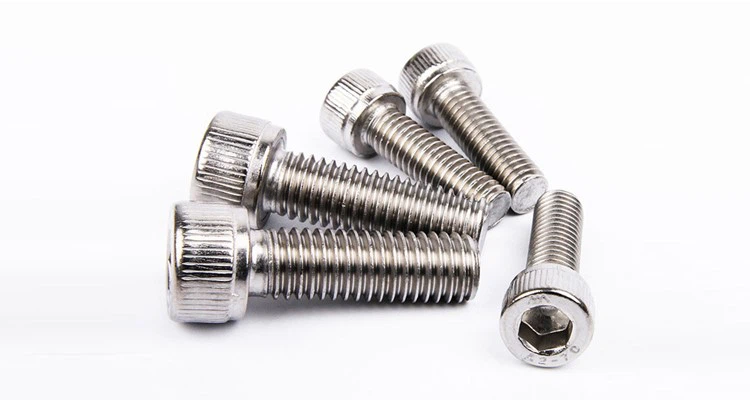
1. Structural characteristics
The root of the bolt thread is a stress concentration area, especially at the root of the bolt buckle, where stress concentration is particularly severe. The time required for the bolts to maintain airtightness after tightening is generally one major overhaul period, which is (2-3) * 10000 hours. As long as the bolts can continue to be used, they need to be re tightened during each major overhaul.
2. Changes in high-temperature bolts during operation
Creep and relaxation bolts operate within the creep temperature range, causing stress relaxation and creep damage during operation.
The bolts used in certain parts of fatigue thermal power units (such as speed regulating valve bolts) can cause fatigue damage, which belongs to mechanical fatigue damage.
Some low-alloy CrMoV steel bolts undergo significant changes in their organizational properties during high-temperature operation, mainly due to thermal brittleness. The development of thermal brittleness increases the brittle transition temperature of bolt materials, resulting in a significant decrease in impact toughness at room temperature.
Factors affecting the service life of high-temperature bolts
1. Select bolts
The bolt structure has a significant impact on the lifespan of bolts. The lifespan of general bolts is generally shorter than that of slender waist bolts of the same material, due to the higher stress concentration coefficient of bolts and the difficulty of transferring local stress concentration.
2. Manufacturing and installation
Poor surface quality machining of bolts can cause them to bite and shorten their lifespan.
Incorrect installation and tightening process can cause additional bending stress on bolts and shorten their lifespan; Tightening bolts too tightly can also shorten their lifespan.