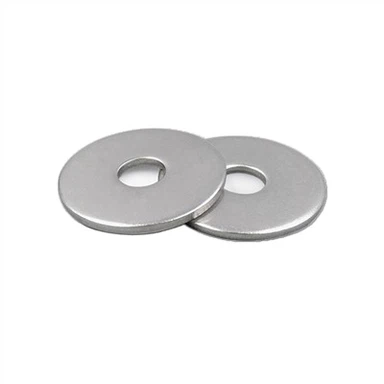

Hex Bolt Material Comparison: Stainless, Carbon & Alloy Steel
Feb 03, 2026
In the field of industrial manufacturing and mechanical equipment assembly, hex bolts are indispensable core fasteners. They not only undertake the basic function of firmly connecting components, but also directly determine the safety, durability and overall operational efficiency of equipment. For B-end purchasers and engineers, selecting the appropriate bolt material is crucial, as different materials have obvious differences in strength, corrosion resistance, wear resistance, cost and applicable environment.
In the market, common materials for hex bolts include stainless steel, carbon steel and alloy steel. Each material has its unique performance and optimal application scenarios. This means that procurement decisions must consider not only the price, but also comprehensively factor in the equipment's service environment, mechanical load and long-term maintenance costs to achieve precise matching between material selection and project requirements.
I. Stainless Steel Hex Bolts
Stainless steel is one of the mainstream materials for hex bolts. Due to its excellent corrosion resistance and stable mechanical properties, stainless steel hex bolts are widely used in various industrial scenarios, especially suitable for equipment and structures that need long-term service and are exposed to humid, chemical or salt spray environments, which can greatly reduce long-term maintenance costs.
Main Material Specifications
- 304 Stainless Steel: Excellent corrosion resistance, suitable for general industrial and construction environments, with moderate price.
- 316 Stainless Steel: Contains molybdenum, with higher resistance to seawater and chemical corrosion, suitable for marine equipment, chemical equipment and high-humidity environments.
- 410 Stainless Steel: Belongs to martensitic stainless steel, with high hardness, suitable for scenarios requiring a certain degree of strength and wear resistance.
Core Performance Characteristics
- Strong corrosion resistance, not easy to rust, can serve in corrosive environments for a long time with extremely low maintenance costs;
- Moderate mechanical strength, which can be improved through targeted heat treatment to adapt to multi-scenario needs;
- Good temperature resistance, suitable for some medium-high temperature working conditions, not easy to have performance attenuation due to temperature changes;
- Bright and clean appearance, no obvious defects, suitable for assembly needs of exposed and visible equipment structures.
Limitations
- Mechanical strength is relatively lower than that of carbon steel and alloy steel, not suitable for high-load, high-stress core structural components;
- Hardness will decrease significantly in high-temperature environments (exceeding 600℃), and bearing capacity will attenuate, so high-temperature and heavy-load scenarios should be avoided;
- Fatigue cracks may occur under long-term high-cycle load conditions, affecting connection stability.
Typical Application Scenarios
- Food Processing Equipment: Corrosion resistance and hygiene meet food safety standards, widely used for fixing conveyors, tanks, brackets and other equipment;
- Marine and Ship Equipment: Outstanding salt spray corrosion resistance, suitable for marine environment components such as ship structures, dock facilities and seawater pump devices;
- Building External Structures: Used for curtain walls, guardrails, outdoor brackets and other building components that need long-term oxidation resistance and rain resistance;
- Chemical and Pharmaceutical Equipment: Resistant to various chemical media corrosion, suitable for acid-base liquid conveying pipelines and equipment fixing parts.

II. Carbon Steel Hex Bolts
Carbon steel hex bolts are made of high-quality steel with moderate carbon content. Different hardness and strength grades can be customized by adjusting heat treatment processes (such as quenching, tempering or normalizing) to adapt to diverse industrial needs. They have excellent tensile strength and shear strength, which can meet the conventional load requirements of most industrial assembly and structural engineering, and are the most cost-effective general-purpose bolt material.
Core Performance Characteristics
- Low cost, prominent material cost performance, very suitable for mass procurement and low-cost project selection;
- Moderate mechanical strength, strength grade can be adjusted through heat treatment to meet general industrial load requirements;
- Mature and convenient processing technology, can flexibly customize bolt length and thread specifications to adapt to different assembly scenarios;
- Flexible surface treatment methods, corrosion resistance can be improved through galvanizing, spraying and other processes to expand the applicable scope.
Limitations
- The material itself is prone to rust and corrosion, and must be protected by surface treatment (galvanizing, spraying, etc.), otherwise its service life will be shortened;
- Strength and hardness will decrease significantly in high-temperature environments, not suitable for high-temperature working conditions;
- Fatigue cracks may occur when bearing long-term high-cycle loads, and even bolt fracture may occur, not suitable for core force-bearing parts.
Applicable Scenarios
- Mechanical Equipment: Suitable for assembly and fixation of light and heavy machinery such as industrial pumps, compressors and conveyors;
- Construction Engineering: Used for steel structures, bridge supports and non-critical load structural components to reduce project costs;
- General Industrial Scenarios: Warehousing equipment, pipeline fixing, factory assembly lines and equipment maintenance projects;
- Expanded Scenarios After Surface Treatment: After protective treatment such as galvanizing and spraying, it can be applied to indoor or slightly humid environments, effectively extending the service life.
III. Alloy Steel Hex Bolts
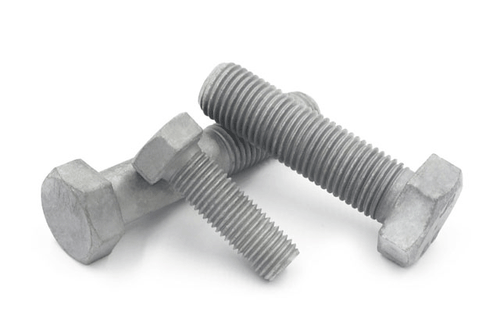
Alloy steel hex bolts are made of high-quality alloy steel added with alloy elements such as manganese, chromium and molybdenum. Through precise control of chemical composition and heat treatment process, they achieve the core advantages of high strength, high hardness and high fatigue resistance. Compared with ordinary carbon steel bolts, they perform more stably in environments bearing high stress loads, high-frequency vibration or impact, and are not prone to failure problems such as thread slip and bolt breakage, making them the preferred material for high-load and core components.
Core Performance Characteristics
- Extremely high mechanical strength, suitable for high-load industrial applications and core mechanical components, can bear large stress and load;
- Excellent fatigue resistance, can maintain long-term connection reliability and not easy to fail under high-cycle load and high-frequency vibration environments;
- Hardness and wear resistance can be further improved through heat treatment processes such as "quenching + tempering" to adapt to complex working conditions;
- Flexible surface treatment methods, corrosion resistance can be improved through galvanizing, nickel plating, phosphating, black oxidation and other processes;
- Chemical composition can be customized on demand to adapt to the personalized needs of special engineering environments such as high temperature and high impact.
Limitations
- The material itself has poor corrosion resistance, and must be matched with professional surface treatment or additional anti-corrosion measures, otherwise it is prone to rust;
- Cost is higher than that of carbon steel and ordinary stainless steel, not suitable for conventional projects requiring low-cost and mass procurement;
- Hardness and strength will slightly attenuate in high-temperature environments (exceeding 500℃), so attention should be paid to selection;
- Highly dependent on heat treatment process. If the process is unqualified, it is easy to cause quality problems such as bolt brittleness and insufficient fatigue life.
Applicable Scenarios
- High-Load Machinery: Die-casting machines, stamping machines, heavy-duty transmission equipment, etc., requiring bolts to not loosen or fail under high pressure and high-frequency vibration;
- Automobile Manufacturing: Core safety parts such as engine assembly and chassis structural components, ensuring driving safety and long-term reliability;
- Construction Machinery: Excavators, hoisting equipment, mining machinery, etc., adapting to complex working conditions and high-stress cycle needs;
- Wind Power Equipment: Blade brackets, tower connection parts, etc., requiring high-strength bolts to resist wind load and long-term fatigue loss.
IV. Hex Bolts of Other Special Materials
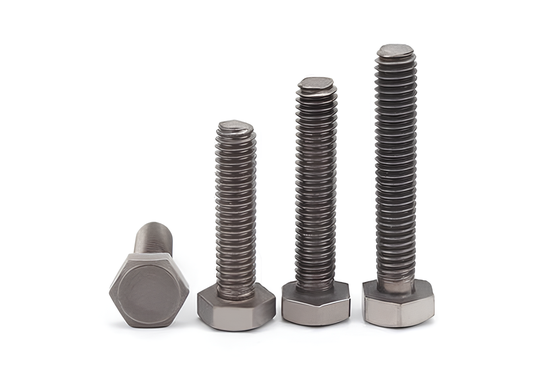
In addition to the above three mainstream materials, hex bolts can also use special materials such as copper, brass, aluminum, titanium and coated steel according to special scenario needs, adapting to personalized functional and environmental requirements.
- Copper and Brass: Good corrosion resistance and electrical conductivity, suitable for electrical equipment and decorative machinery, taking into account functionality and aesthetics;
- Aluminum: Lightweight and excellent oxidation resistance, suitable for scenarios requiring weight control such as aviation, automobile and electronic equipment;
- Titanium: High strength, light weight and extremely strong corrosion resistance, suitable for special high-end scenarios such as aerospace, military industry and high-end precision equipment;
- Coated Steel: With carbon steel as the base material, corrosion resistance is improved through surface treatment such as galvanizing and black oxidation, suitable for general industrial and construction scenarios, with prominent cost performance.
V. Procurement Selection Guide (Precisely Adapted to B-End Needs)
- Priority consideration of corrosion resistance and reduction of long-term maintenance costs: Prefer stainless steel hex bolts (304 for general use, 316 for high corrosion, 410 for high strength);
- Pursuit of high cost performance and meeting conventional strength requirements: Prefer carbon steel hex bolts (matched with surface treatment to adapt to multi-scenarios);
- Core components, high-load and high-frequency vibration scenarios: Prefer alloy steel hex bolts (customize chemical composition and heat treatment process on demand);
- Special needs (lightweight, electrical conductivity, high-end corrosion resistance): Copper, brass, aluminum, titanium or coated steel materials can be selected.
Conclusion
The core of material selection for hex bolts is to balance the three core factors of "environment adaptation, load demand and cost budget" - the appropriate material can not only ensure the safe operation of equipment, but also reduce long-term maintenance costs and project risks. At the same time, choosing a qualified manufacturer with mature technology is the key to ensuring the consistency of bolt quality and stability of performance.
Whether you are purchasing conventional carbon steel bolts, high-corrosion stainless steel bolts, high-strength alloy steel bolts, or lightweight aluminum-titanium special bolts, Jinrui can provide you with one-stop customized solutions to fully meet the needs of various industrial applications and provide professional service support throughout the process:
- Professional Selection Advice: Combine equipment type, load level and service environment to accurately recommend suitable bolt material and strength grade;
- High-Quality Product Guarantee: All bolts strictly comply with ISO / DIN / ASTM international standards to ensure dimensional accuracy, mechanical performance and durability;
- Flexible Customization Service: Can customize bolt length, strength grade and surface treatment method on demand to adapt to mass procurement and personalized needs;
- Reliable Delivery Guarantee: Efficient supply chain system ensures on-time delivery of mass procurement and avoids project schedule risks.
Contact us now to get an exclusive industrial hex bolt procurement plan. With precise material selection and high-quality products, we will make your equipment more stable, your projects more efficient and your investment more secure!