
Instructions For Beginners - Three Main Elements Of Bolt Specifications
Jul 18, 2023
The three main elements of bolt specifications are diameter, pitch, and length.
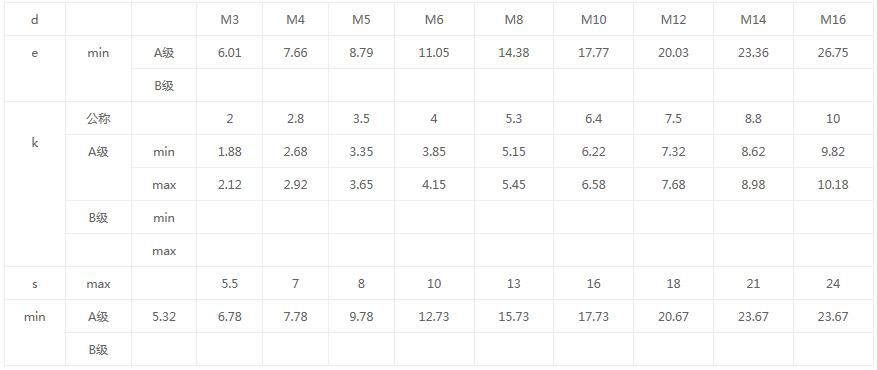
Diameter refers to the size of the outer diameter of a thread. Common specifications such as M6, M8, M10, etc., where "M" represents the thread (Metric Thread), and numbers represent the size of the diameter in millimeters.
Thread pitch is the distance between adjacent threads, usually expressed in millimeters. For example, M8x1.25 represents a bolt with a diameter of 8mm and a pitch of 1.25mm.
The length is the entire length of the bolt, from the top of the thread to the bottom of the bolt. The length selection should be determined based on the thickness of the part and the required bolt extension length.

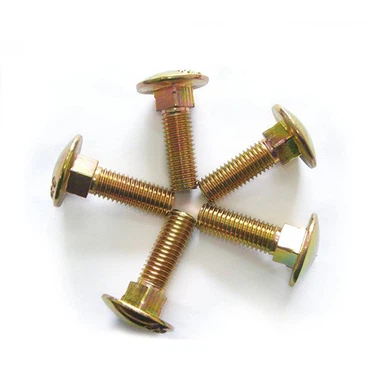
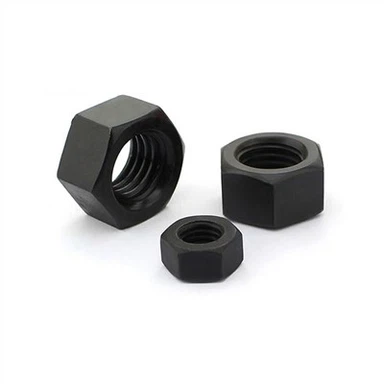
In addition to these basic specification elements, bolts also have some special specifications, such as head shape (hexagonal head, round head, square head, etc.), material, and strength grade. These special elements will be selected based on application requirements to achieve optimal design objectives.
In addition to diameter, pitch, and length, the specifications of bolts also include many other elements. These elements play an important role in ensuring the matching of bolts with other accessories, adapting to different tightening requirements and working environments, and providing better appearance and durability.
Firstly, the thread type of the bolt is an important factor determining its compatibility. The common types of threads include regular threads, fine threads, and coarse threads.
Secondly, the choice of bolt head type depends on the tightening requirements and working environment. A bolt can be equipped with multiple head types, such as hexagonal head, round head, square head, or cylindrical head.
The bolt grade is a standard for measuring its strength and performance level. Common levels include 4.8, 8.8, 10.9, etc. The higher the bolt grade, the higher its strength and endurance, making it suitable for environments that withstand large loads and vibrations.
Another factor to consider is the material. Bolts can be manufactured using various materials, such as carbon steel, alloy steel, stainless steel, copper, etc. The selection of appropriate materials depends on the application environment and requirements, such as corrosion resistance, strength requirements, etc.
Finally, surface treatment also needs to be considered as it can improve the corrosion resistance and appearance of bolts, such as coating, galvanizing or hot dip galvanizing.
It should be noted that the standards and naming methods may vary in different countries and regions, so when selecting bolt specifications, corresponding standards should be referred to and selected according to specific needs.
In summary, depending on the specific usage conditions and requirements, selecting an appropriate bolt specification can ensure its compatibility, durability, and stability with other accessories.