
Can 12.9 Grade Screws Be Zinc Plated?
Jun 25, 2025
Many customers request zinc plating for 12.9 grade screws during procurement, but we generally advise against surface treatments. New users often ask why 12.9 grade screws from other suppliers frequently break. Can these high-strength screws be zinc plated? What causes the fracture issues? Below is a detailed analysis of quality risks associated with zinc plating 12.9 grade screws.

The Core Challenge: Hydrogen Embrittlement Risks
12.9 grade screws undergo pickling before zinc plating and are treated in a zinc bath. During this process, water dissociation inevitably generates hydrogen ions. As the workpiece acts as the cathode in electrogalvanizing, hydrogen atoms penetrate the steel matrix. This leads to a critical requirement: while zinc plating is technically possible, post-plating hydrogen embrittlement relief treatment is non-negotiable.
Hydrogen embrittlement causes delayed fracture, a hidden hazard in high-strength steel. Unlike material non-conformity (solvable by replacing materials) or excessive heat treatment hardness (detectable via hardness testing), hydrogen-induced fractures are notoriously difficult to address. Even slight hydrogen accumulation can lead to sudden failure under stress, weeks or months after plating.
Debunking Myths About Zinc Plating Colors
A common misconception claims that early "yellow" or "colorized" zinc plating prevents hydrogen embrittlement in 12.9 grade screws. This is false: hydrogen embrittlement stems from hydrogen ion penetration during pickling, a process inherent to all zinc plating methods-whether eco-friendly modern techniques or traditional processes. The plating color, determined by passivation treatments, has no impact on hydrogen absorption.
Solutions to Mitigate Risks
Avoid Surface Treatments When Possible
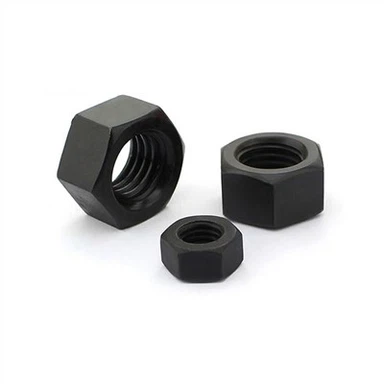
For rust resistance: Zinc plating offers moderate corrosion protection, but 12.9 grade screws typically undergo black oxide treatment, which provides a sleek, oil-free finish and comparable durability.
For mechanical performance: Surface treatments introduce unnecessary risks. Bare 12.9 grade steel already meets most structural requirements.
Mandatory Hydrogen Embrittlement Relief
Post-plating heat treatment: Maintain screws at 190–230°C for 8–24 hours (adjusted by coating thickness) to diffuse hydrogen atoms. This process is critical-omitting it increases fracture risks by over 90%.
Engineering Recommendations
Material Matching: If zinc plating is unavoidable, select 12.9 grade screws with low hydrogen absorption rates (e.g., alloy steels with controlled sulfur and phosphorus content).
Quality Control: Implement strict post-plating testing, including delayed fracture tests (ISO 15330) to verify hydrogen embrittlement relief effectiveness.
Conclusion
12.9 grade screws can be zinc plated, but the process requires rigorous hydrogen embrittlement management. The choice between plating and bare steel depends on balancing corrosion needs with fracture risks. When plating is necessary, prioritizing professional de-hydrogenation treatment is non-negotiable to ensure structural safety.