
Related To Fastener Industry: EU Has Reached A Carbon Tariff Agreement And Will Start Trial Operation in October Next Year
Dec 14, 2022
On December 13 local time, the European Parliament and the European Council reached an agreement to establish a carbon border regulation mechanism, that is, to impose carbon tariffs on imported goods according to their greenhouse gases.

▲ CBAM tripartite negotiation site (source: European Parliament)
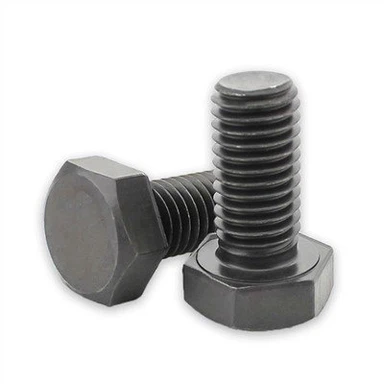
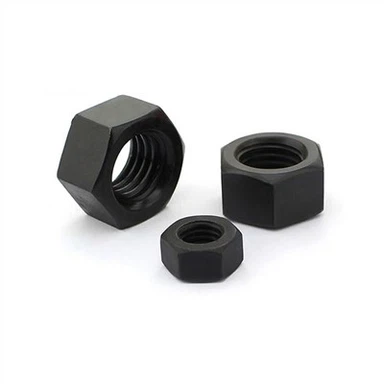
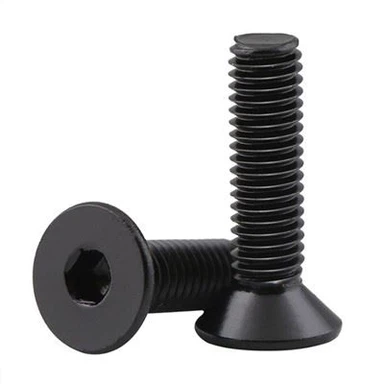
According to the official website of the European Parliament, the carbon border regulation mechanism will start trial operation from October 1, 2023, covering steel, cement, aluminum, fertilizer, electricity, hydrogen and other industries, as well as steel products such as screws and bolts. The carbon border regulation mechanism will set a transition period before it comes into effect, during which relevant traders will only need to report relevant carbon emission data.
According to the previous plan, the period from 2023 to 2026 will be the transitional period for the implementation of the EU carbon tariff policy. From 2027, the EU will comprehensively levy carbon tariffs. At present, the official entry into force date of EU carbon tariffs has yet to be finalized through negotiations.
With the operation of the carbon border regulation mechanism, the free carbon quota under the EU carbon trading system will be phased out gradually. In the future, the EU will also assess whether to expand the scope of carbon tariffs to other areas, including organic chemicals and polymers.
Qin Yan, chief electricity and carbon analyst at Luft and researcher at Oxford Energy Research Institute, said that the overall scheme of the mechanism was almost completed, but it still needed to wait for the determination of the detailed rules for reducing free quota in the EU carbon emission trading system.
The EU carbon tariff regulation mechanism is an important part of the EU Fit for 55 emission reduction package, which hopes to reduce greenhouse gas emissions by at least 55% by 2030 on the basis of 1990. The European Union said that this plan is crucial for the EU to achieve climate neutrality and the EU green agreement by 2050.
The carbon border regulation mechanism set up by the EU this time is also known as the carbon tariff. Carbon tariff generally refers to countries or regions that strictly implement carbon emission reduction. The requirement to import (export) high carbon products is to pay (return) the corresponding taxes or carbon quotas. The appearance of carbon tariff is mainly caused by carbon leakage, which means that relevant producers transfer from areas with strict carbon emission management to areas with relatively loose climate management regulations for production.

The carbon tariff policy proposed by the EU is also intended to avoid the problem of carbon leakage in the EU, that is, to prevent local companies from moving out of the industry in order to avoid strict carbon emission control policies. At the same time, green trade barriers have been set up to enhance the competitiveness of their own industries.
In 2019, the EU proposed to increase carbon tariffs in import and export trade for the first time; In December of the same year, the EU formally proposed a carbon border regulation mechanism. In June 2022, the European Parliament formally voted to pass the amendment to the carbon border tariff regulation mechanism bill.
Chai Qimin, director of the Strategic Planning Department of the National Center for Strategic Research and International Cooperation on Climate Change, pointed out in an interview with the China Development and Reform Daily in August this year that carbon tariffs are a green trade barrier. The EU's carbon tariff policy aims to reduce the impact of carbon pricing on the EU and even the European market and weaken the competitiveness of products, while maintaining some core European industries, such as automobile, shipbuilding The advantages of aviation manufacturing industry form a competitive gap.
Through the establishment of carbon tariffs, the European Union has for the first time incorporated the requirements of addressing climate change into global trade rules. This practice of the EU is attracting the attention of many countries. According to media reports, Canada, the United Kingdom and the United States are considering the issue of carbon tariffs.
The EU said in its press release that the carbon tariff mechanism is fully in line with the rules of the World Trade Organization, but this practice may cause a series of new trade disputes, especially for developing countries with relatively high carbon dioxide emissions.