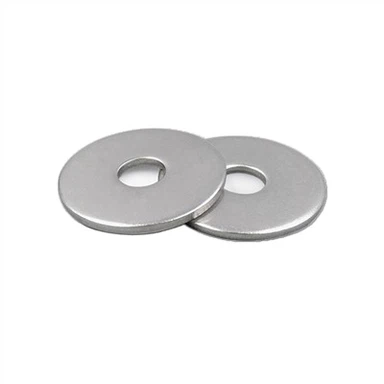

Bolt Tightening Torque: A Key Parameter To Ensure Connection Safety
Aug 21, 2023
The tightening torque of a bolt is the torque force applied to the bolt during the assembly process, which is crucial for the safety and reliability of the connection. The correct bolt tightening torque can ensure that the connection does not become loose or fail, while avoiding bolt damage caused by excessive tightening. This article will introduce the role, calculation method, and some precautions of bolt tightening torque.

1、 The effect of bolt tightening torque:
The main function of bolt tightening torque is to achieve the fastening of connecting components, ensuring the stability and reliability of the connection. By applying appropriate tightening torque, the bolts are stretched, generating pre pressure and tightly securing the connected components together. This can prevent loosening, sliding, or rotation, so that the connection has sufficient strength and stiffness.
2、 Calculation method for bolt tightening torque:
1. Determine the required tightening torque based on design requirements and connection characteristics. This usually requires consideration of factors such as material characteristics, type of connection, and working conditions.
2. Calculate according to the formula for tightening torque. The specific calculation formula can vary depending on different application fields and specifications. Generally speaking, the calculation formula for tightening torque can be expressed as:
T=K * F * D
Among them, T is the tightening torque, K is the coefficient, F is the pre tightening force, and D is the force arm of the bolt.
3. Determine the value of coefficient K. The coefficient K takes into account factors such as bolt material, thread friction coefficient, and connection type. Different specifications and manuals may provide different coefficient choices.
4. Determine the length of the force arm D. The lever arm is the length of the lever arm used to tighten the torque force, which is the distance from the center of the bolt to the connecting surface. The selection of the force arm depends on the geometric shape and stress distribution of the connection.
3、 Precautions:
1. The calculation of bolt tightening torque should follow relevant design specifications and standards to ensure the safety and reliability of the connection.
2. Use the correct units for calculation, such as the unit of force should be Newton (N), the unit of length should be meter (m), and the unit of torque should be Newton meters (N · m) or kilogram force meters (kgf · m).
3. Pay attention to applying tightening torque in the correct sequence and stages, and follow the manufacturer's recommendations and regulations.
4. Regularly check the tightening status of bolt connections, and carry out necessary maintenance and re tightening.
Conclusion:
Bolt tightening torque is a key parameter to ensure connection safety. By reasonably calculating and applying tightening torque, the reliability and stability of bolted connections can be ensured. When calculating bolt tightening torque, it is necessary to consider factors such as material characteristics, friction coefficient, and force arm, and follow relevant design specifications and standards. Regular inspection and maintenance of the fastening status of bolted connections is also crucial. By calculating and applying the correct bolt tightening torque, we can ensure the safety and reliability of various engineering projects.