
Bolt Fastening
May 07, 2026
Bolt fastening refers to the process of connecting and fixing two or more parts using bolts and nuts. A bolt is usually a long metal rod with threads on its surface; a nut is a part matched with the bolt to fix it.

The basic steps of bolt fastening are as follows:
1. Determine the appropriate size and specification of bolts and nuts to meet the connection requirements of the parts to be connected.
2. Pass the bolt through the reserved holes of the parts to be connected, and install the nut on the other side of the parts.
3. Gently rotate the nut by hand to align it accurately with the threads of the bolt, avoiding thread misalignment.
4. Use a wrench (or special fastening tool) to tighten the nut until the required tightening force is achieved.
5. Check the tightening status of the fasteners to ensure there is no looseness and guarantee reliable connection.
The following points should be noted during the fastening process:
- Ensure that the selected bolts and nuts are suitable for the connecting materials and service environment conditions to avoid connection failure due to inconsistent specifications.
- Ensure that the threads of the bolt and nut are aligned to prevent cross-threading or thread damage, which may affect the fastening effect.
- Apply moderate force when tightening the nut; do not over-tighten to avoid damaging the threads, bolt shank or the parts to be connected.
- Regularly check whether the fasteners are loose, and re-tighten them in a timely manner if looseness is found to prevent safety hazards caused by loose connections.
Bolt fastening is a common basic operation in mechanical assembly and equipment maintenance, with a wide range of applications, such as in automobiles, mechanical equipment, building structures and other fields. Correct bolt fastening operation can ensure the firmness and use safety of part connections.
When performing bolt fastening, there are some additional considerations and skills that can help improve the quality and reliability of the connection:
1. Apply appropriate tightening torque: According to the specifications and use requirements of bolts and nuts, use a torque wrench to fasten the bolts. Proper torque can ensure moderate tightening force, avoiding problems such as part damage caused by over-tightening and connection loosening caused by under-tightening.
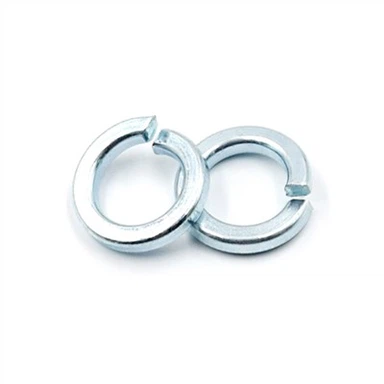
2. Use gaskets reasonably: In some scenarios, it is necessary to use gaskets to fill the gaps between connected parts. Gaskets can help achieve uniform distribution of tightening force, prevent deformation or damage of the parts to be connected, and enhance the sealing and anti-loosening effects.
3. Select thread locker: For application scenarios with high requirements for tightening force and anti-loosening, thread locker can be selected. Thread locker can effectively increase the friction between bolts and nuts, significantly reducing the possibility of connection loosening.
4. Regular inspection and maintenance: Fasteners may loosen with service time and changes in working conditions, so regular inspection and maintenance are crucial. It is necessary to regularly check the tightening status of fasteners, re-tighten them in a timely manner if looseness is found, and replace them in a timely manner if damaged.
5. Follow the manufacturer's guidelines: Different application scenarios and connecting materials have different requirements and suggestions for bolt fastening. Always follow the guidelines and specifications provided by the manufacturer to ensure the correctness of bolt fastening operations.
In short, bolt fastening is an important assembly and connection process that requires standardized operation and professional knowledge support. Correct bolt fastening operation can ensure the strength and reliability of the connection, and improve the assembly quality and use safety.