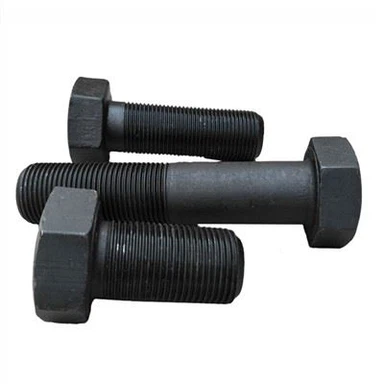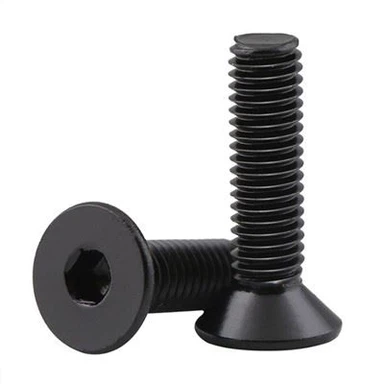

Is There A Distinction Between Coarse And Fine Teeth For American Standard Hexagonal Drill Tail Screws
Oct 10, 2023
American standard hexagonal drilling screws (also known as hexagonal head tapping screws) are usually divided into two sizes: coarse and fine teeth. The difference between these two specifications lies in the spacing and depth of the threads.

Coarse threads have larger thread spacing and deeper threads, making them suitable for loose materials such as wood. They are typically used in construction, furniture manufacturing, carpentry, and other application scenarios that require fixation in loose materials.
Fine threads have smaller thread spacing and shallower threads, making them suitable for harder materials such as metal. They are typically used in metal manufacturing, mechanical equipment, automobiles, and other applications that require fixation in hard materials.
When purchasing hexagonal drill tail screws, coarse or fine tooth specifications can be selected based on actual usage needs to ensure matching with the material and fixation effect.
In fact, there is no distinction between coarse and fine teeth for American standard hexagonal drilling screws (hexagon head tapping screws).
American standard hexagonal drill tail screws are classified based on thread size, length, diameter, and material type, rather than distinguishing between coarse and fine teeth. The thread size of hexagonal drill tail screws is represented by UNC (Unified National Coat) or UNF (Unified National Fine).
UNC threads are coarse pitch threads with large thread spacing, suitable for loose materials such as wood. UNF threads, on the other hand, are fine pitch threads with smaller thread spacing, making them suitable for hard materials such as metal.
Therefore, when purchasing American standard hexagonal drill tail screws, appropriate thread sizes (UNC or UNF) and other parameters can be selected based on specific needs, rather than the classification of coarse and fine teeth. For specific application scenarios, it is best to refer to relevant standards or consult professionals to obtain accurate information. I'm very sorry for the confusion caused.