

Four Main Causes Of Stainless Steel Screw Fracture
Jun 26, 2026
Under normal working conditions, stainless steel screws feature excellent toughness and structural strength and are not prone to fracture. However, fracture failure may occur under special conditions such as unqualified raw materials, manufacturing defects, improper assembly and mismatched pre-drilled hole sizes. Based on production and practical operation experience, this article summarizes the four common causes of stainless steel screw fracture.
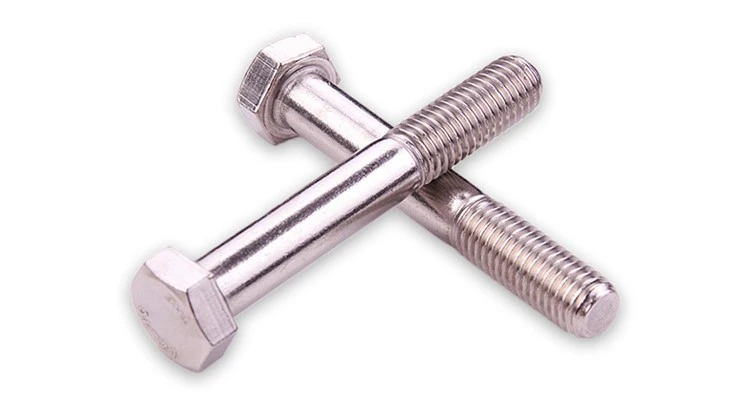
1. Impure and Substandard Raw Materials
Excessive impurities and impure composition in stainless steel wire rod will directly lead to insufficient overall hardness, tensile strength and toughness of screws, resulting in substandard mechanical properties. Such screws are prone to fracture, thread chipping and deformation even under normal fastening loads and slight vibration conditions.
2. Excessive Assembly Torque and Improper Material Selection
Excess tightening torque exceeding the ultimate breaking load is a common artificial cause of screw fracture. Torque tests shall be conducted before operation to confirm the minimum breaking load and adopt matched fastening torque to avoid over-tightening. For working conditions requiring high torque and high-strength fastening, heat-treatable stainless steel materials shall be selected. 410 stainless steel can be hardened through heat treatment. After heat treatment, 410 stainless steel screws achieve a surface hardness of HV580–680 and a core hardness of HV350–450, with significantly improved overall strength.
3. Stress Concentration Caused by Manufacturing Process Defects
Process defects during production and machining will cause severe stress concentration and lead to screw fracture. Typical defects include eccentric screw heads, excessive punching depth (Q value) during cold heading, and undersized transition R angles. These structural defects result in uneven force distribution. Stress concentrates on defective positions under load, easily causing fracture failure.
4. Undersized Pre-drilled Holes
For self-tapping installation, if the pre-drilled hole of the workpiece is too small, chip removal will be blocked and extrusion resistance will increase during screw tapping. Excessive force on the threads will eventually cause screw breakage during tightening.
In summary, stainless steel screw fractures mainly result from four factors: material quality, manufacturing technology, assembly operation and hole size matching. Product quality and assembly specifications shall be strictly controlled during procurement and application to avoid equipment failures and potential safety hazards caused by inferior products and non-standard operations.


